

Essential Guide for Food Manufacturers: Steam Tray Materials, Durability, and Heating Efficiency
Table of Contents
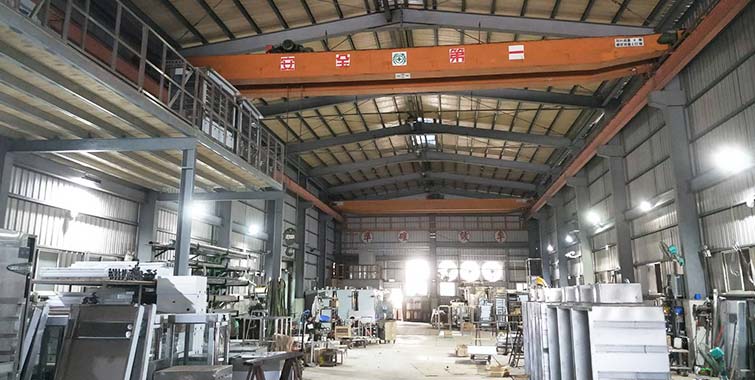
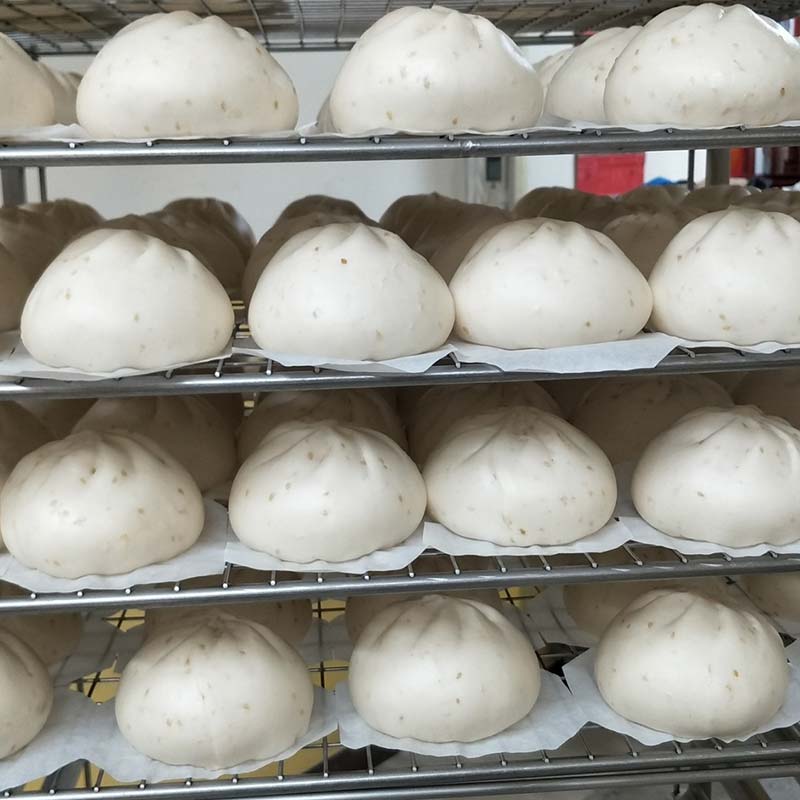
Whether you produce steamed buns, mantou, xiaolongbao, dim sum, ready-to-eat frozen foods, or large-batch products for retail channels, the tray material, hole configuration, and thickness are key factors that determine the consistency and quality of your final products.
1. Aluminum Trays vs. Stainless Steel Steam Trays: Which Material Is Better for Food Factories?
|
Criteria |
Aluminum Trays |
Stainless Steel Steam Trays |
|
Durability (Resistance to Damage) |
Prone to denting, deformation, and scratches; requires frequent replacement |
Highly heat-resistant, maintains shape, long service life |
|
Food Safety (Audit Compliance) |
Easily oxidizes, susceptible to detergent corrosion; higher food safety risk |
Meets food-contact-grade standards; low bacterial retention; compliant with factory audits |
|
Ease of Cleaning (Tendency to Accumulate Residue) |
Edges accumulate residue easily; darkens over time |
Smooth surface, easy to clean, low bacterial retention |
When businesses shift from occasional steaming to high-frequency daily production, the durability of steam trays becomes a major cost factor. Aluminum trays tend to deform and oxidize under long-term heat, pressure, and cleaning, whereas stainless steel trays maintain structural stability and food safety—resulting in a more reliable and worry-free production line.
2. Why Do Steam Trays Dent or Deform? Three Common Causes and How to Improve Them
1. Uneven Load and Concentrated Weight
2. Incorrect Cleaning Methods
3. Inadequate Material Quality or Thickness
How to Prevent Steam Tray Deformation
3. Do Steam Tray Hole Patterns Really Affect Steaming? Yes — Enough to Ruin an Entire Batch
The size, spacing, and arrangement of the holes determine whether steam can rise evenly.
When the hole pattern is incorrect, common issues include:
1. Holes Too Small → Insufficient Steam Flow
・Poor expansion・Longer steaming time
・Surface cracking
2. Holes Too Large → Steam Impact Is Too Strong
・Bottom indentations・Surface breakage
・Loose or uneven internal structure
3. Uneven Hole Distribution → Inconsistent Steaming Within the Same Tray
・Center rises higher than the edges・Uneven height across products
The problem is not the recipe — it’s uneven steam circulation.
4. Different Products Require Different Hole Configurations
|
Food Type |
Recommended Hole Pattern |
|
Steamed Buns / Mantou |
Medium-sized holes, evenly distributed |
|
Xiaolongbao / Soup Dumplings |
Larger holes to reduce concentrated steam impact |
|
Frozen Prepared Foods |
Dense hole pattern for higher steam penetration |
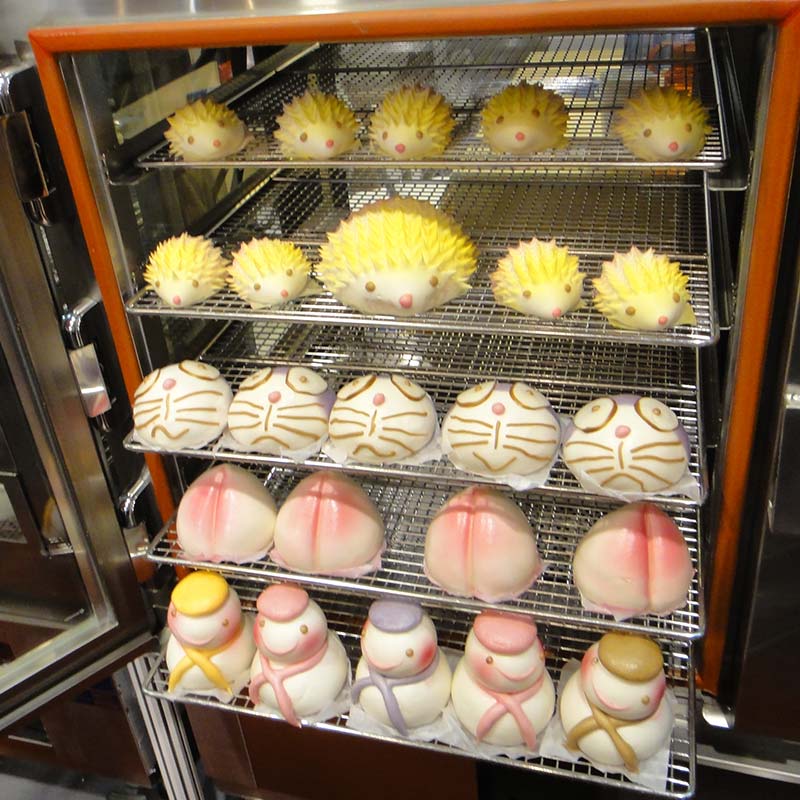
Koten Machinery offers multiple steam tray specifications and can recommend optimal hole designs based on your product characteristics.
4. Why Steam Trays Still Look “Clean” but Fail Hygiene Standards — The 3 Most Overlooked Areas
1. Residue Around the Hole Edges Is the Most Commonly Overlooked
2. Build-up on the Underside of the Tray Is the Biggest Blind Spot
3. Weld Points and Corners Trap the Most Contamination
5. Steam Trays May Look Like a Minor Detail, But They Play a Major Role in Product Quality
From material selection to hole pattern design and even overlooked cleaning blind spots, steam trays play a far more important role in large-scale food production than most people realize. Heat transfer efficiency, steam circulation, load-bearing strength, and hygiene control — if any one of these factors is not properly managed, it can result in uneven expansion, surface deformation, incomplete steaming, or even food safety risks.
With 40 years of expertise in steam equipment, Koten Machinery understands every detail that food factories, central kitchens, and chain restaurants face in steaming and preparation workflows. We offer a wide range of professional stainless steel steam trays and steam equipment, and can recommend the most suitable configurations based on your product characteristics, production needs, and cleaning procedures.
Frequently Asked Questions (FAQ)
Q1: What should food factories prioritize when selecting steam trays?The most critical factors are durability and steam penetration efficiency. Material type, hole pattern, and load-bearing strength directly affect product expansion, steaming uniformity, and equipment lifespan. Beyond price, long-term production stability is the true priority.
Q2: Why are stainless steel steam trays more suitable for food manufacturers than aluminum trays?
Stainless steel withstands high temperatures, resists deformation, and tolerates frequent cleaning—ideal for heavy-duty industrial use. Aluminum trays are lighter and heat quickly, but they dent and oxidize easily, resulting in higher long-term costs and increased food safety risks.
Q3: Does hole size really affect steaming performance?
Yes. The size and distribution of holes determine how evenly steam can pass through, impacting expansion, appearance, and steaming time. Different food types (buns, mantou, pastries, prepared foods) require different hole configurations for optimal results.
Q4: What areas are most commonly overlooked during steam tray cleaning?
Typically: the edges of perforations, the underside of the tray, and weld points or corners. These areas often accumulate grease and starch residues and should be included in a standardized cleaning routine with regular inspections.
--------------------------------------------------------------------------------------------------------------------------------------------
The information in this article is for reference only. For actual models and applicable functions, please refer to the specifications provided by Koten Machinery.